Why Nobody Cares About Benefits Of CBD


What Are the Benefits of CBD Oil in the UK?
CBD oil is becoming increasingly popular as a remedy for a myriad of health and wellbeing concerns. Much of what is on sale, however, is unregulated. Sellers are not allowed make claims about health until they have their products licensed as medicines.
It is recommended to pick a CBD product that is manufactured by a brand that adheres to UK regulations. These brands are also highly rated by their customers.
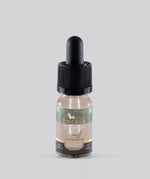
1. Relieves pain
CBD is a non-psychoactive element of cannabis that has been found to decrease inflammation and pain particularly in those suffering from chronic arthritis. CBD is also being studied for its neuroprotective and anti-anxiety properties. CBD is available in many different forms, including edibles and capsules. It can also be found as creams, oils and topical products. It is readily available in health food stores and on the internet. It is essential to purchase products that have been tested independently for potency and purity. Products purchased on the street could be contaminated with other chemicals or have levels of CBD that aren't in line with the daily recommended allowances.
In a study published in the Journal of Experimental Medicine, CBD was shown to reduce both subjective and objective measures of pain. This included patients suffering from neuropathic pain or inflammatory pain. CBD appears to interact with receptors for a1- and a3-glycine, reducing the sensitivity of nerves to pain. In addition, CBD is a non-steroidal anti-inflammatory drug (NSAID) and does not cause the adverse effects of other conventional painkillers, like stomach bleeding or ulcers.
CBD is believed to reduce neuropathic pain caused by herniated disks and multiple-sclerosis. A study published in 2017 found that CBD significantly reduced human neuropathic pain but more research is needed to determine the appropriate dosage and best delivery method for this condition.
CBD is not a miracle cure for these conditions. However, many patients report significant improvements in symptoms after using CBD. A few reports suggest that CBD can help relieve pain caused by nerve damage from diabetes and fibromyalgia. It is especially useful when used in conjunction with other treatments.
CBD can be a viable alternative to painkillers for athletes. CBD can be used as a post-workout recovery aid, helping to alleviate the muscle soreness that occurs after hard training sessions. It can also be utilized to treat sports injuries, such as pulled muscles. It is important to keep in mind that it is best to take CBD under the guidance of a trainer or coach and to avoid using it before or immediately after intense exercise, since it can increase blood pressure and heart rate.
2. Sleep aids
If you're having trouble sleeping or have sleep issues, CBD may be the answer. It has been shown to aid in sleep by assisting your body to relax. This will aid in falling asleep faster, stay asleep longer, and lessen the number of wake-up episodes during the night. It also helps reduce anxiety which is a major reason for insomnia. In fact, one study found that people with a history of anxiety experienced more restful sleep after taking CBD.
CBD can also improve sleep by stimulating serotonin production, which can reduce anxiety. CBD can also be used to treat sleep disorders, such as restless leg syndrome, that causes an uncontrollable urge for the legs to move. CBD has been proven to alleviate RLS symptoms and could lead to an improved night's sleep. More research is required to confirm the findings.
A recent retrospective review of 103 patients aged over 103 at an psychiatric facility found that CBD helped reduce anxiety as well as sleep, especially within the first month of treatment. The anxiety scores fell quickly and remained low throughout the follow-up period. Sleep scores improved at the initial assessment however, they fluctuated over the course of the month.
CBD is an organic, non-psychoactive substance that can be found in the cannabis plant. It interacts with your endocannabinoid system, which is responsible for ensuring homeostasis (or the state of balance and stability) within the body. CBD doesn't cause high unlike its psychoactive counterpart, tetrahydrocannabinol (THC). CBD is therefore safe to use and doesn't have the potential for abuse or addiction.
The best way to take CBD is in the form of a capsule, oil or Gummy candy. Many companies make capsules that contain gentle ingredients like chamomile to make them more appealing. Most health food stores carry them, and some pharmacies do too. If you're new to CBD, you can start with a small dose and gradually increase it to discover the most effective dose for you. You can also test different CBD products to determine what works best for you.
3. Helps with anxiety
The reason why CBD oil may help with anxiety is because it affects various receptors in your body and brain that affect how you respond to stress. It interacts with CB1 and serotonin receptors in the central nervous system, which lowers your heart rate. This can ease your mind and ease symptoms of anxiety disorders such as PTSD, panic disorder, and social anxiety disorder.
CBD can also help reduce anxiety by cutting down on cortisol. Cortisol is a hormone produced in response to stress. When you have high levels of cortisol your body is more likely to react to stressful situations by raising your blood pressure and triggering the fight or flight reaction. CBD works with your endocannabinoid systems to suppress the production and provide a relaxing feeling.
In one study, CBD was used to combat anxiety. Eighty percent of participants reported less anxiety levels within a week. This was coupled with improved sleep for 70% of the participants, although these results varied over time. CBD is also thought to be able to treat insomnia, which is a symptom of anxiety.
CBD can be consumed in a variety of ways, including gummies capsules vape oils, capsules and body oil. CBD oil is the most basic form. It is made up of an oil carrier (usually MCT or virgin oil) and CBD extract in various concentrations. This is the most convenient method to consume CBD and it's also one of the most potent forms. The oil is absorbed through the tongue and into the bloodstream.
CBD is not recommended to replace medication for anxiety. It is recommended to consult your physician before making any modifications to your treatment plan. It's a great supplement to use in conjunction with other techniques to fight anxiety that include reducing stress levels and exploring meditation or mindfulness.
4. Helps with depression
There are a myriad of CBD products on the market but if you're looking to treat depression, the best option is a full spectrum cold-pressed hemp oil that comes from a UK-based brand that knows hemp well and has a strong presence in campaigns to ensure sustainable production. This product is available in Original, Citrus, and Mint flavours. It's infused with a calming essential oil blend. It also includes a range of other ingredients to help combat blues, such as the melatonin ingredient and turmeric.
CBD reduces depression by binding to serotonin (5HT1a) receptors which are activated when an individual's levels of the feel-good neurotransmitter are not high enough. Serotonin deficiency has been associated with a range of psychiatric conditions such as depression and anxiety. cbd oil uses is taking antidepressants such as SSRIs like sertraline (Zoloft), or fluoxetine (Prozac).
This oil contains a mixture of CBD amino acids, CBD, and terpenes which have been proven to lower anxiety and improve mood. It has an eminent, pleasant flavor and comes in a bottle of 30ml. It is recommended to take it every day, starting at 5mg and gradually increasing to 50mg.
There is a lot of evidence from pre-clinical and clinic studies that CBD can reduce depression and anxiety, but more research is required, especially on human trials. There is some evidence from clinical trials that CBD can help reduce anxiety symptoms, such as those that are related to public speaking. However, more research is needed on chronic anxiety.
Studies have shown that CBD can help with PTSD symptoms such as nightmares and reliving bad memories but it isn't a cure. CBD can be utilized in conjunction with traditional PTSD treatments, including cognitive behavioral treatment. It is believed to work by improving sleep patterns that are often disturbed by PTSD. CBD can also help reduce the side effects of PTSD medications like sedatives or muscles relaxants, which are commonly used in PTSD sufferers. It can also be used to treat other conditions such as neurodegenerative diseases like Alzheimer's and Parkinson's disease, as well as traumatic brain injury.